

You decide to sell your house, look around, and suddenly notice everything.
The bathroom tile looks dated. The kitchen cabinets aren’t trendy. That bedroom could really use new carpet. Maybe the basement should finally be finished?
This is where sellers can accidentally turn selling a house into renovating a house for the next owner.
Some repairs absolutely make sense before listing. Others cost thousands and barely change what a buyer will pay. Here are the projects I would think twice about.
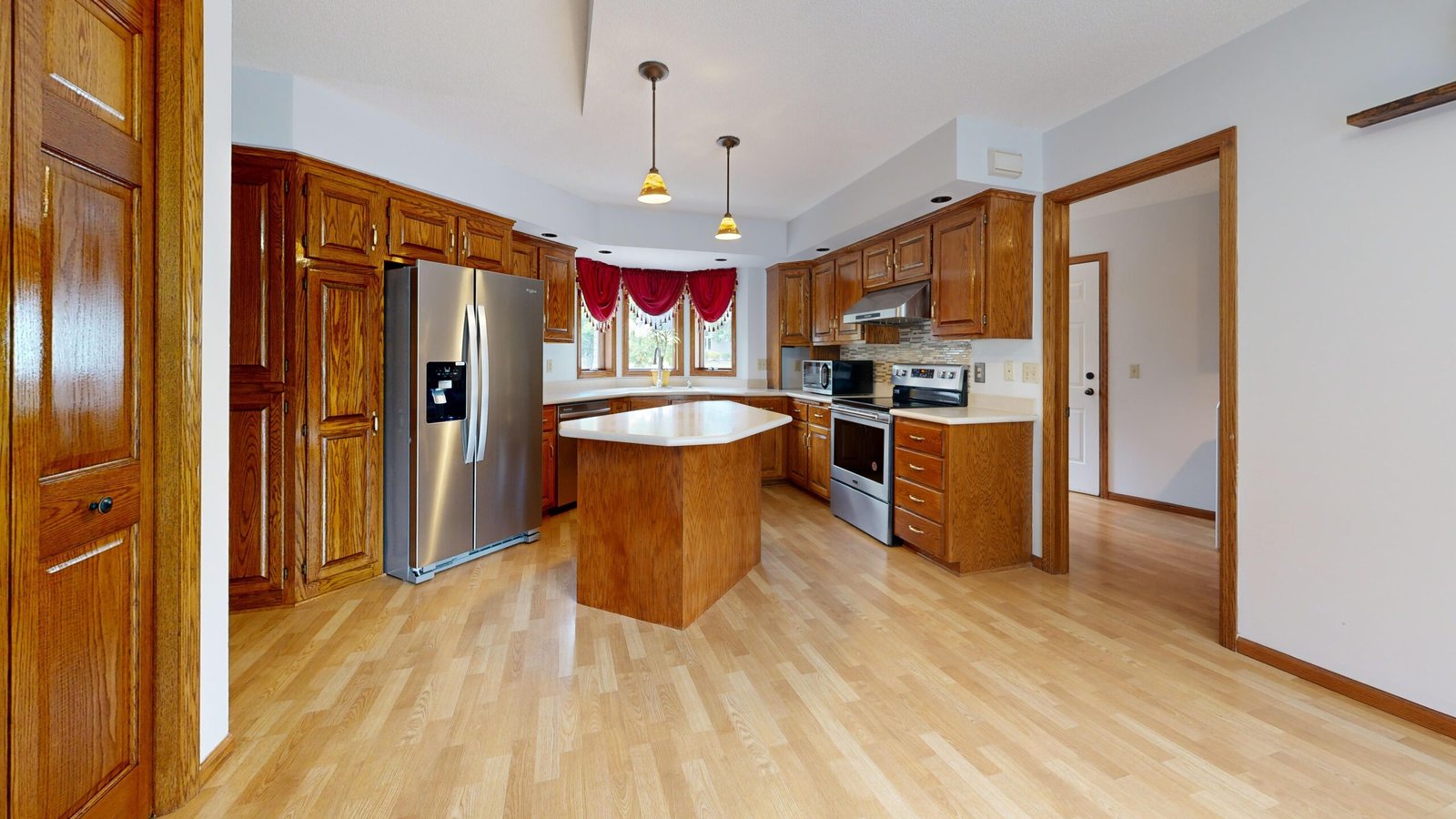
Kitchen: Don’t Remodel Just Because It’s Dated
An older kitchen is not automatically a bad kitchen.
If the cabinets work, appliances function and everything is clean, spending $30,000–$50,000 on a new kitchen shortly before selling can be difficult to justify.
The bigger problem is taste. You may choose white shaker cabinets and quartz countertops only to meet a buyer who says, “I really wanted natural wood.”
Fix broken things. Clean everything. Replace something truly awful if necessary. But don’t automatically renovate a functional kitchen.
Sometimes the best renovation budget is $0.
Bathroom: Functional Beats Fashionable
The same logic applies to bathrooms.
A leaking toilet, cracked fixture or broken exhaust fan? Fix it.
Perfectly functional beige tile from 2003? That’s different.
Buyers generally understand that houses aren’t brand new. You don’t need to chase every current design trend before putting a home on the market.
A deep cleaning, fresh caulk and a few inexpensive cosmetic improvements can often accomplish more than ripping the room apart.
Flooring: Don’t Automatically Replace It
Worn-out or badly stained carpet can absolutely hurt a showing. But replacing every floor simply because it isn’t your favorite style is another matter.
Hardwood with some scratches may be perfectly acceptable. Older tile may be perfectly usable.
And if you’re thinking about installing inexpensive gray laminate throughout the house because it’s “neutral,” remember that today’s universal neutral is often tomorrow’s avocado-green refrigerator.
Condition matters more than trendiness.
Basement: You Probably Don’t Need to Finish It
This one can become a serious money pit.
If you have an unfinished basement, buyers can see that it’s unfinished. That’s okay.
Finishing it immediately before selling may involve flooring, drywall, electrical work, permits and potentially questions about ceiling height, moisture or egress. You may spend a lot without getting the same amount back.
Instead, make an unfinished basement feel clean, dry, bright and useful.
And if there is a moisture problem, address the problem—not just the appearance. Painting over a suspicious stain isn’t a waterproofing system.
Older Features: Don’t Erase Character Automatically
Older homes sometimes have natural wood trim, vintage doors, original built-ins, older brick fireplaces or other features that aren’t currently fashionable.
Don’t assume they all need to become white.
Especially in established communities around Chicagoland and Northwest Indiana, some buyers specifically want that character.
Old and neglected aren’t the same thing.
A well-maintained original feature can be an asset. Painting or replacing it simply because Instagram currently prefers something else may accomplish very little.
Big-Ticket Systems: Don’t Replace Them Just Because They’re Old
Your furnace is 18 years old but works. Your AC isn’t new. Your roof has some age.
Should you replace all of them before selling?
Usually, age alone isn’t enough reason.
A buyer may factor an older system into the offer or raise it during inspection, but spending $10,000 today to prevent a possible $5,000 negotiation later isn’t particularly good math.
If something is unsafe, leaking, failing or obviously defective, that’s different. Have it evaluated and make a sensible decision.
What IS Usually Worth Fixing?
I tend to prioritize things buyers interpret as signs that a home hasn’t been maintained:
- Active leaks or obvious water problems
- Broken doors, locks, railings or fixtures
- Peeling paint and conspicuous wall damage
- Burned-out bulbs and poor lighting
- Dirty carpet or strong odors
- Overgrown landscaping
- Small unfinished projects that make buyers wonder, “What else didn’t they finish?”
These aren’t glamorous improvements. That’s exactly the point.
Before selling, the goal isn’t to create your dream house. It’s to make buyers feel they’re looking at a well-cared-for house without a frightening to-do list.
Save the dream kitchen for your next home.