

What to Look for in Older Homes
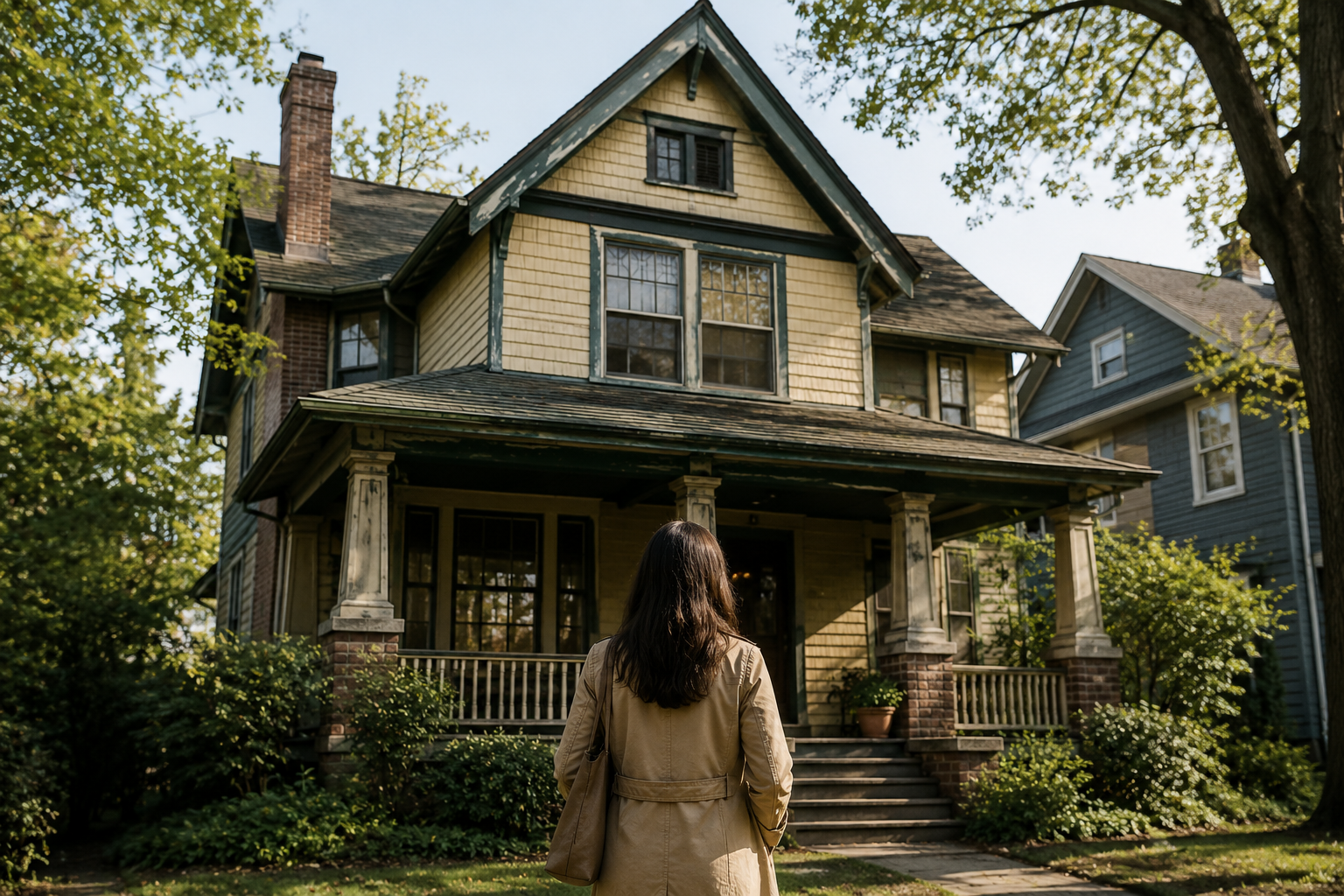
Older homes have a certain charm. The kind you don’t really get from newer construction. Solid wood, unique layouts, neighborhoods with actual trees instead of freshly planted sticks.
But they also come with personality. And sometimes that personality shows up in the form of “why is this floor sloping” or “what exactly is that smell.”
If you’re looking at older homes, the goal isn’t to avoid them. Some of the best houses out there are older. You just want to know what you’re getting into before you fall in love with the crown molding.
Start With the Bones, Not the Paint
It’s easy to get distracted by fresh paint and staged furniture. Sellers know that. That’s why you’ll often see older homes looking surprisingly “updated” on the surface.
But what matters more is what you don’t immediately see.
Pay attention to the structure. Are the floors level? Do doors close properly, or do they swing open like they have a mind of their own? Small quirks are normal in older homes, but large or obvious shifts can point to foundation movement.
You don’t need to diagnose anything on the spot. Just notice what feels off.
The Basement Tells You the Truth
If the main floor is the house’s résumé, the basement is the background check.
This is where you’ll often see signs of past water issues, foundation cracks, or patchwork repairs. A finished basement can hide things, but unfinished areas usually don’t.
Look for staining on walls or floors, musty smells, or signs of water management systems like sump pumps. None of these automatically mean “run away,” but they do mean “ask more questions.”
Mechanical Systems Matter More Than You Think
In newer homes, HVAC systems, water heaters, and electrical panels are usually recent. In older homes, it’s a mixed bag.
Try to get a sense of the age of the big-ticket items. Furnace, AC, water heater, roof. These are the things that don’t show up in listing photos but can show up in your bank account pretty quickly.
An older system isn’t necessarily a problem. It just means you should factor in when it might need replacement.
Electrical and Plumbing Can Be…Creative
Older homes were built in a different era, sometimes updated in multiple eras, and occasionally patched together by someone who was “pretty handy.”
You might see things like two-prong outlets, older electrical panels, or plumbing that’s been modified over time.
None of this is unusual. But it’s worth noting, because updating electrical or plumbing isn’t always cheap, especially if it’s a bigger overhaul.
Layouts Were Designed for a Different Lifestyle
One thing buyers often notice right away is that older homes don’t always follow modern layout expectations.
You might get smaller kitchens, more separated rooms, or fewer open spaces. Some people love that. Some people immediately start mentally knocking down walls.
Before you go too far down the renovation rabbit hole, think about whether the layout actually works for how you live. Changing walls is possible, but not always simple or inexpensive.
Windows, Insulation, and Efficiency
Older homes weren’t built with today’s energy standards in mind. That means windows, insulation, and overall efficiency can vary quite a bit.
Drafty windows or inconsistent temperatures aren’t unusual. It doesn’t make the home a bad purchase, but it’s something to factor into comfort and utility costs.
Character vs Maintenance
This is where things get a little subjective.
Original wood trim, hardwood floors, built-ins—these are the features people fall for. But they also tend to require more care.
The question isn’t whether character is good or bad. It’s whether you’re okay maintaining it.
Some buyers love it. Others realize a year later they would have preferred something simpler.
You Don’t Need to Panic—Just Pay Attention
Older homes aren’t risky by default. In many cases, they’re better built than newer ones.
The key is understanding the difference between normal aging and actual problems.
That’s where inspections come in, and why it helps to notice things early so you know what to ask.
Because once you know what to look for, older homes stop feeling unpredictable and start feeling like what they really are—homes with history, just with a few extra stories to tell.