

Sewer Scope Inspection: Is It Worth It?
A normal home inspection checks a lot of things.
Roof, furnace, outlets, windows, plumbing fixtures—the usual suspects.
But there’s one very expensive part of the house that often gets ignored because nobody can actually see it.
The sewer line.
Which is understandable. It’s underground. Out of sight, out of mind. Until one day your basement suddenly starts behaving like a swamp documentary.
That’s where sewer scoping comes in.
What Is a Sewer Scope?
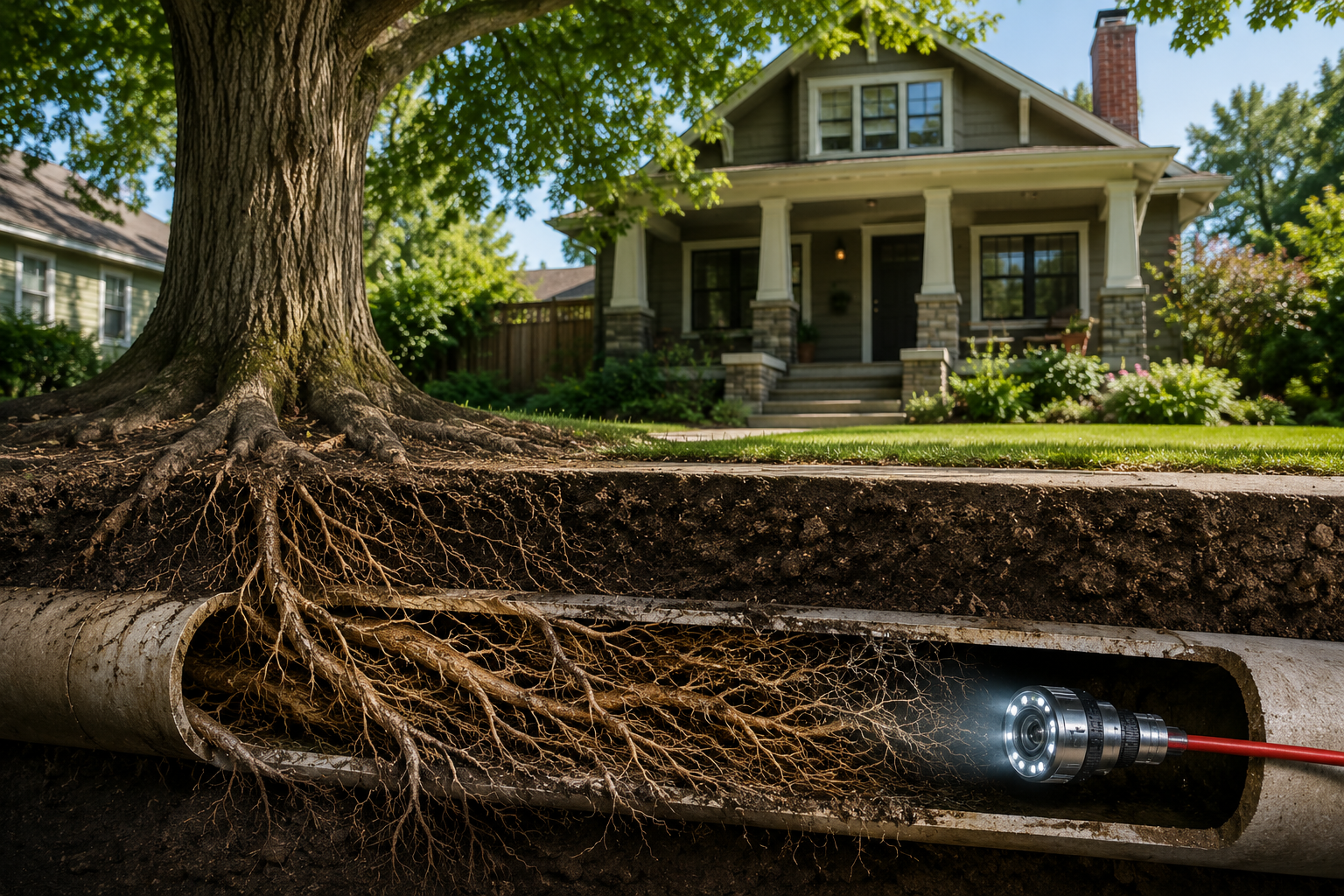
A sewer scope is basically a camera inspection of the home’s sewer line.
A technician feeds a small camera through the pipe to see the condition of the line between the house and the city connection.
And yes, sometimes the results are deeply unpleasant.
You’d be surprised how many beautifully updated homes are hiding aging sewer lines underground that are surviving mostly on optimism.
Especially around older neighborhoods in Chicagoland and Northwest Indiana.
When Is a Sewer Scope Worth Doing?
There’s no magic age where a house suddenly “needs” a sewer scope, but there are some practical rules of thumb.
For homes under about 20 years old with modern PVC lines and no major trees nearby, many buyers skip it.
Once homes get into the 30–40+ year range, sewer scopes start making a lot more sense. And for older neighborhoods with mature trees, original sewer lines, or finished basements, many buyers consider it well worth the few hundred dollars.
It’s not because old automatically means bad. It’s because sewer problems tend to age quietly underground until they become very expensive.
What Problems Does a Sewer Scope Actually Find?
The most common issues are:
- root intrusion
- cracked pipes
- shifted pipe sections
- standing water from sagging lines
- grease buildup
- partial collapses
Tree roots are one of the biggest offenders.
Roots naturally seek moisture, and older sewer joints basically look like free real estate to them.
A little root intrusion is not unusual. In fact, some older homes live with minor roots for years with occasional maintenance.
But if roots are taking up a large portion of the pipe—say 30–50% blockage—or the camera can barely get through, the conversation starts changing from “maintenance” to “future repair planning.”
At some point, the roots stop being guests and start becoming permanent residents.
Can a Sewer Scope Predict Remaining Life?
Sort of.
Sewer lines don’t come with expiration dates.
A 60-year-old sewer line could fail next year or continue functioning another 15 years with regular cleaning. A lot depends on tree activity, soil movement, previous maintenance, and whether the line is already cracked or offset.
Generally:
- light roots + smooth flow = manageable
- standing water or shifting = higher concern
- visible collapse or severe deformation = repair discussions usually start quickly
Experienced plumbers can often give buyers a reasonable sense of whether the line feels stable, aging, or nearing the “this will become someone’s problem eventually” phase.
Mature Trees Matter More Than Buyers Realize
Large mature trees near the sewer route are one of the biggest risk factors.
Beautiful tree-lined streets are wonderful. Unfortunately, tree roots also think sewer lines are wonderful.
Especially in older Midwest neighborhoods, roots from maples, oaks, and other large trees are a very common source of intrusion.
A gorgeous backyard sometimes comes with an underground side quest.
Can You Spot Sewer Problems During a Showing?
Usually not directly, but there can be clues.
Experienced buyers and inspectors often pay attention to things like:
- slow drains
- gurgling toilets
- heavy fragrance in basements
- water staining near floor drains
- suspiciously fresh basement paint
- unusually lush strips of grass in the yard
- signs the sewer cleanout has been accessed repeatedly
None of these automatically mean disaster. But when several appear together, sewer scoping suddenly feels a lot more appealing.
Sewer Repairs Can Get Expensive Very Fast
This is why buyers care.
A basic sewer scope may cost only a few hundred dollars. Sewer repairs can quickly jump into the thousands.
Typical costs often look something like:
- basic rodding/root cleaning: a few hundred dollars
- hydro jetting: several hundred to around $1,000
- spot repairs: several thousand
- full sewer replacement: often $6,000–$15,000+, sometimes much higher
And here’s the part many buyers don’t initially think about:
Sometimes the pipe repair itself is not the expensive part. Accessing the pipe is.
If the sewer line runs beneath:
- a driveway
- garage slab
- sidewalk
- patio
- mature landscaping
…the costs can escalate quickly.
Can Sewer Scope Tell If the Line Runs Under the Driveway?
Often, yes.
Many sewer scope companies use a locator tool attached to the camera head. As the camera moves underground, the technician can trace the approximate sewer route and identify where problem spots sit.
That’s how buyers sometimes learn:
- the bad section is under the driveway
- the line runs beneath the garage apron
- the issue sits near the sidewalk or city connection
And those details matter, because repairing a sewer line under open grass feels very different from cutting through concrete and rebuilding hardscape afterward.
Older Chicago-area homes especially love routing sewer lines underneath garages and driveways in ways that probably made perfect sense 70 years ago.
A Bad Sewer Scope Doesn’t Automatically Kill the Deal
This part matters.
A sewer issue doesn’t necessarily mean “don’t buy the house.”
Sometimes buyers negotiate:
- repairs
- credits
- price reductions
- or simply plan for future maintenance
The value of a sewer scope is not really about finding perfection.
It’s about understanding whether you’re buying a home with manageable maintenance…or inheriting a future excavation project nobody warned you about.